Conference Report DC 2026
Heritage, Memory, and Community in Electronic Music and Dance Cultures, May 14–15, 2026, Prague, Hybernská Campus
Who owns the history of techno? Who is allowed to tell it, and how? Whose voices are heard? What narratives and what kinds of sources does electronic dance music leave behind, and where and how can and should they be preserved? Who provides the necessary resources for this? Or is there a right to be forgotten in techno as well? What should and can we even remember? Inevitably, the techno version of one of pop music’s most famous bon mots comes to mind: “If you remember the raves of the 1990s, you weren’t there.” Techno was long regarded as the music of the future up to early 21st century and is still perceived today as a musical culture that above all celebrates the present—or, as Danny Cookney put it in his stimulating essay “As Night Turns to Mourning: YouTube’s Ahistoric Rave Archive“: “electronic dance music and rave culture may often be characterized as primarily technologically driven and, by association, forward-looking” (Cookney 2024, 116). Confronting this culture and scene with questions about its own historicization was the challenge the organizers had set for themselves for the annual conference of the Dancecult Research Network.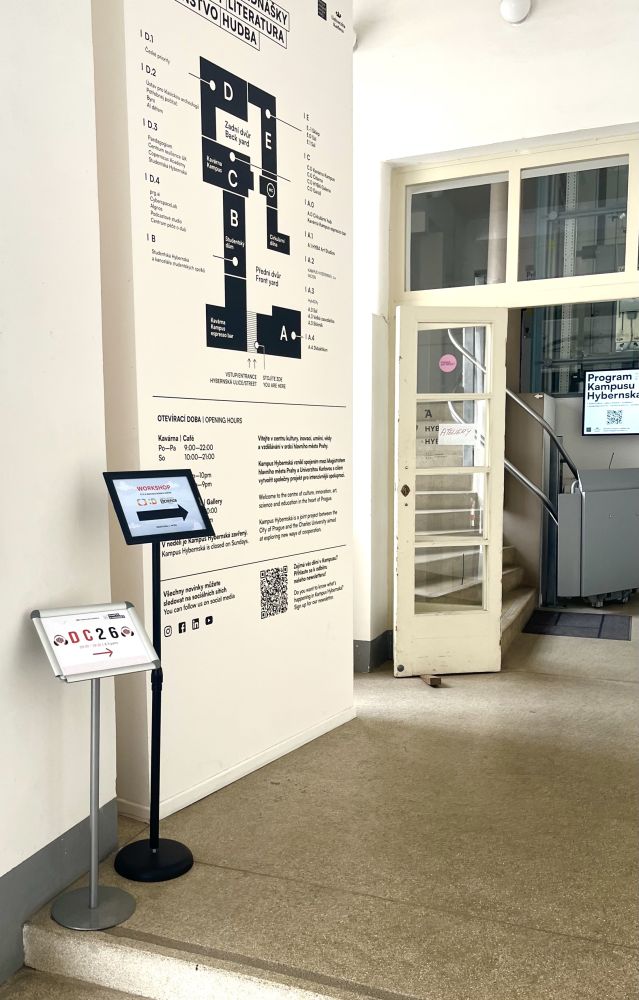
© Matthias Pasdzierny
The conference, held under the theme “Heritage, Memory, and Community in Electronic Music and Dance Cultures,” took place in Prague in May 2026. In total, it brought together nearly 40 papers by international scholars from a wide range of disciplines, illustrating the level of establishment and breadth that research on electronic dance music cultures has achieved. It was striking that a disproportionately large number of papers were presented by early-career scholars (MA/PhD candidates), suggesting that this field of research is poised for further growth in the future. At the same time, the chosen overarching theme reveals that techno and electronic dance music have undergone a profound process of historicization—and, in some cases, musealization—since their beginnings in the 1970s and 1980s, raising numerous questions for both the relevant scenes and communities as well as the academic disciplines that study and research them. Thus, a recurring theme in many presentations and discussions was the highly critical assessment of the inclusion of Berlin techno culture on UNESCO’s list of Germany’s intangible cultural heritage in 2024—an act widely perceived as a form of impermissible hegemonic appropriation and nationalization of the history of electronic dance music.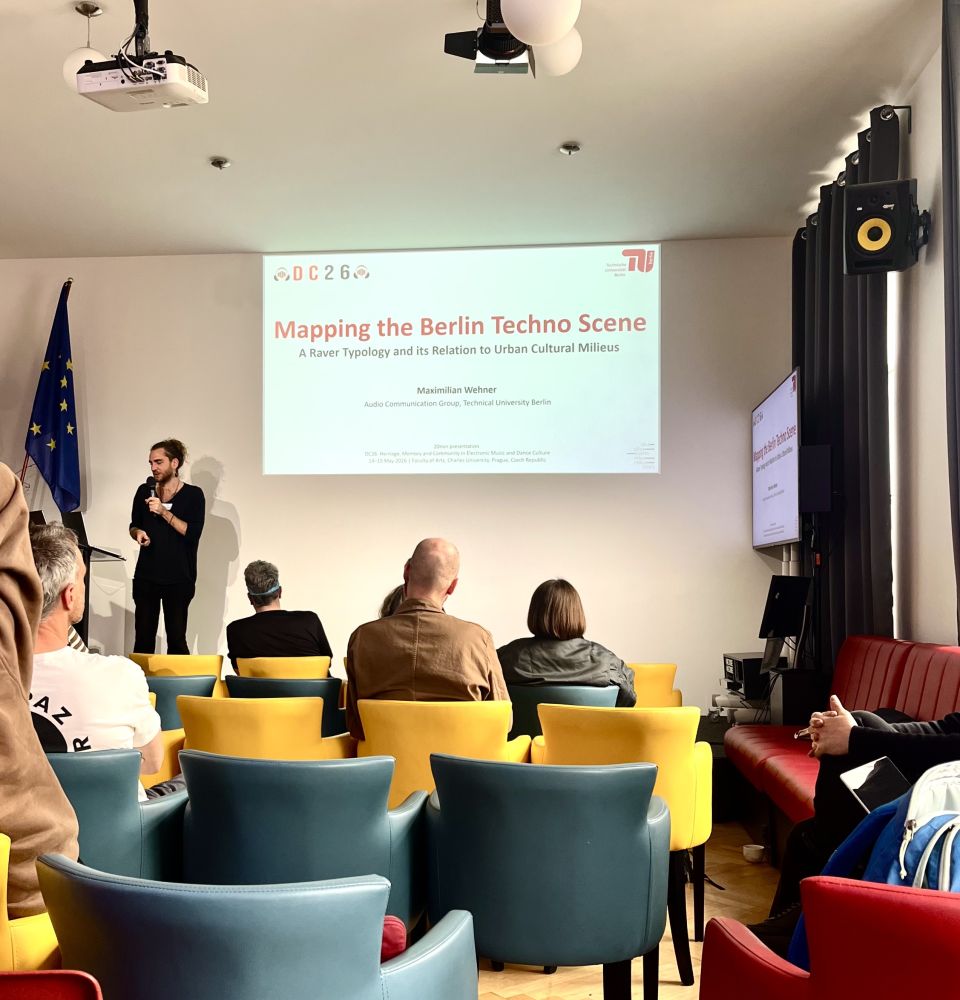
© Matthias Pasdzierny
Overall, the conference presentations were divided into 10 panels, some of which ran concurrently; the thematic focus ranged from local contexts (including, beneath others, Berlin, Detroit, Liverpool, London, Manchester, Budapest, Skopje, Central Mexico, and Texas) to infrastructure-related issues already addressed at (“Digital Heritage Platforms, Mapping & Grassroots Memory Work” and “Techno Knowledge Infrastructures: Writing, Archives, and Sonic Ecologies”), gender-related topics (“Gendered Nights, Politics & Community Care”), questions regarding the embodiment of knowledge and memory (“Bodies as Archives: Embodiment, Well-being, Somatic Recall”), as well as the development of specific genres (“Aesthetics, Genealogies & Revivals”) and the role of media-technology and social media platforms (“Politics, Visibility & Media Historiography” and “Platformization, Subculture & Identity”).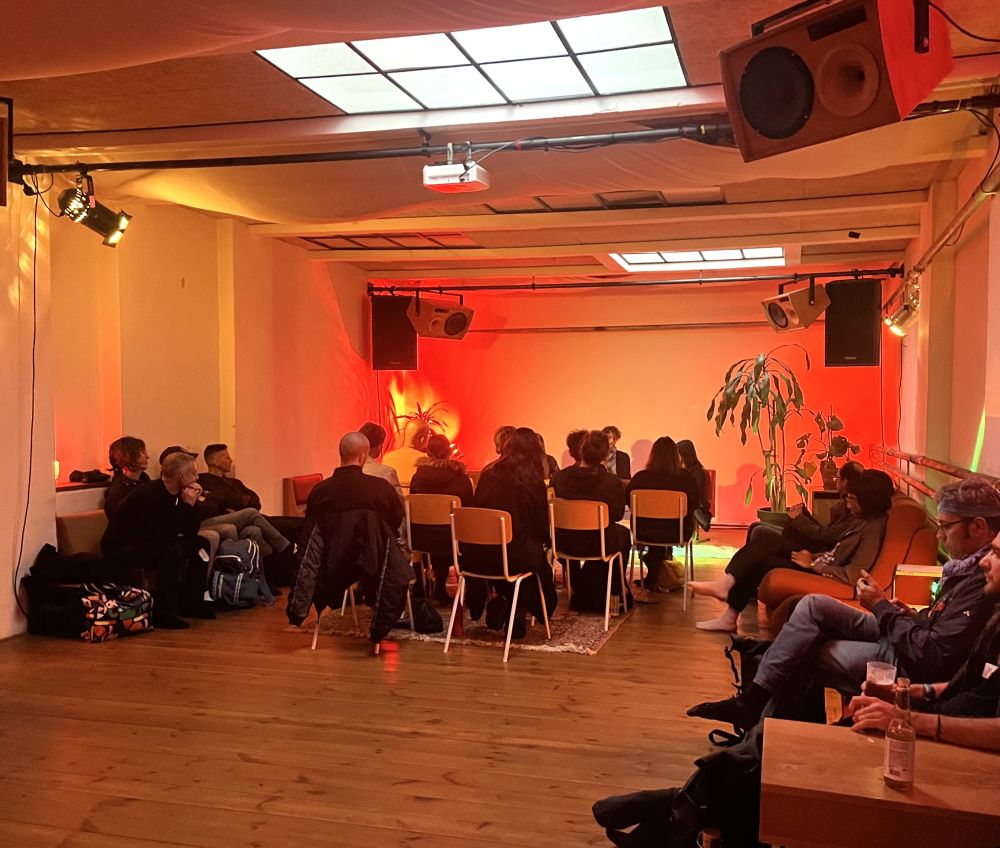
© Matthias Pasdzierny
From an organizational standpoint, the conference was perfectly organized by the local team led by Ondřej Daniel, Eduard Adam Orszulik, Tomáš Kavka, Lukáš Rychetský, and Lucia Udvardyova, once again cementing the status of the annual DC conferences as the most important event for the academic community focused on electronic dance music cultures. The next DC conference will take place in 2027, this time under the theme “The Future Is Ours! Communities in Electronic Music and Dance Culture.”